
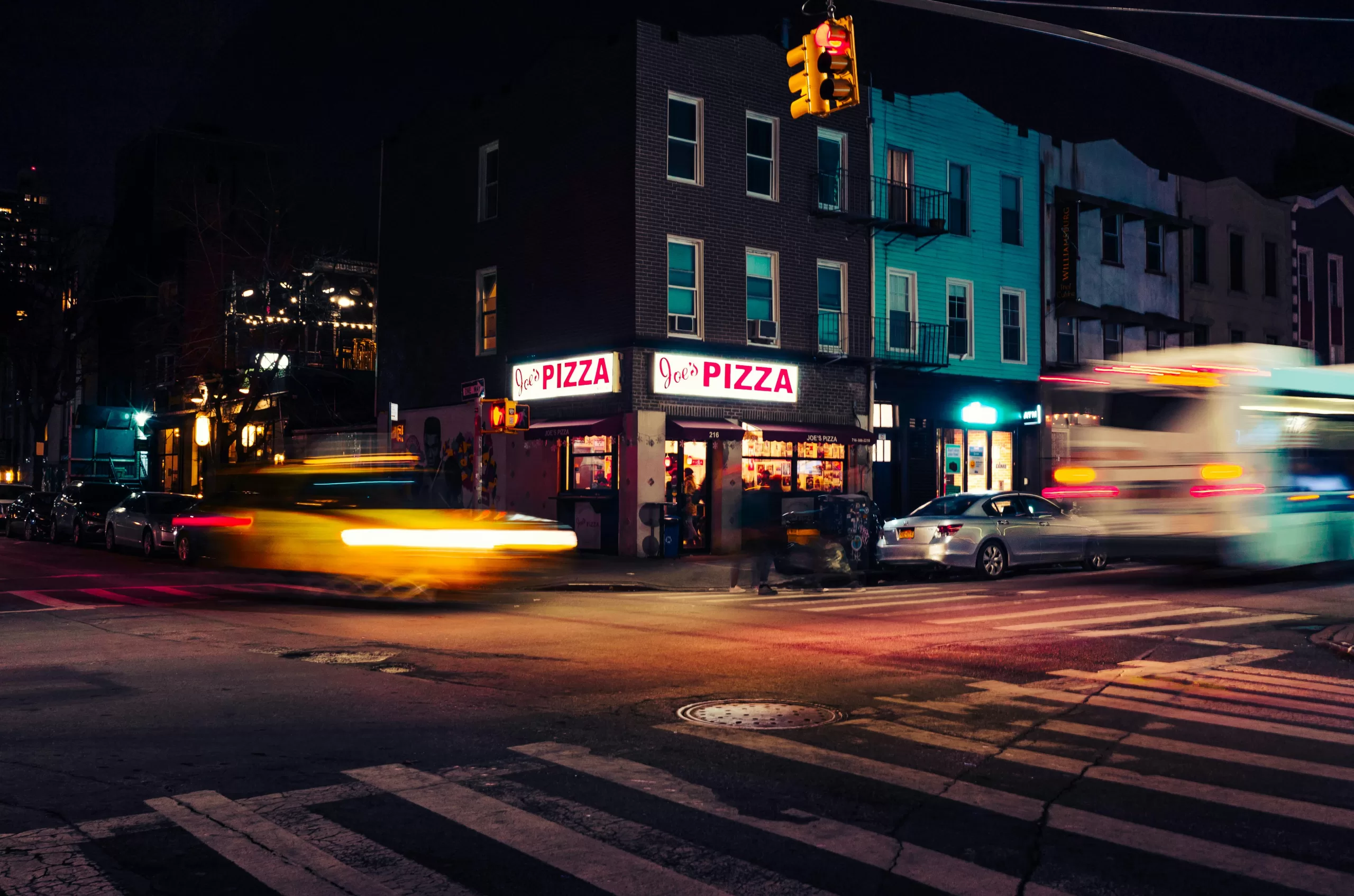
New York eats best when you stop trying to do it all and start picking the right neighborhoods on the right days. Three days is enough to taste three Manhattans (well, two Manhattans and a Brooklyn): the bohemian charm of Greenwich Village, the bright theatre-and-skyscraper density of Midtown, and the hipster-meets-old-school energy across the East River. Each one runs on its own kind of food.
I’ve put this 3-day New York City foodie tour together to do the boring work for you: sequencing the stops so you’re not crisscrossing the island, naming the places that are actually worth the line, and flagging the ones where you can swing in for a bite without a reservation. Bring stretchy pants. You’ll need them.
Day 1: Greenwich Village foodie tour
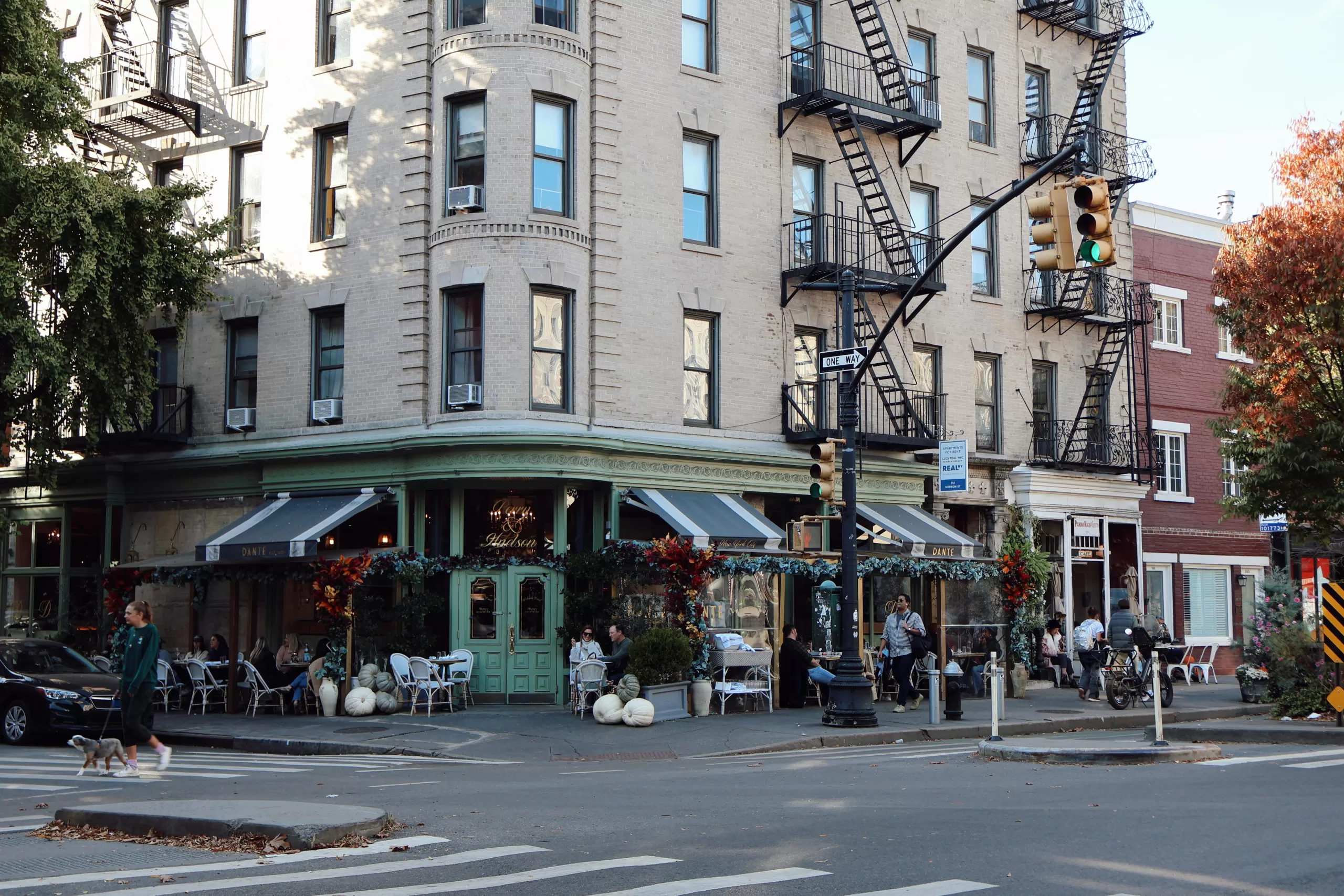
Morning: croissants, pizza, and Washington Square
Start the day at Buvette on Grove Street. Tiny tables spill onto the sidewalk, the smell of freshly baked croissants drifts past every passerby, and the steamed cappuccino does what no diner coffee can. It’s an unapologetic slice of Paris in the West Village, and it’s the right tone for Day 1: small, intentional, slow.
From there, walk five minutes east to Washington Square Park and take the long route around the fountain. Street performers, NYU students, chess players, and a constant rotation of jazz buskers turn this into the Village’s living room. Don’t sit too long. Joe’s Pizza is around the corner on Carmine Street, and a single foldable slice of plain cheese tells you most of what New York pizza is supposed to be.
If you want to keep walking, the Strand Book Store is a ten-minute stroll east on Broadway. Eighteen miles of books, a rare-book floor, and tote bags every New Yorker secretly owns three of.
Afternoon: Murray’s, Milk Bar, and Chelsea Market
The afternoon belongs to cheese. Murray’s Cheese on Bleecker has been the West Village’s cheese counter since 1940, and the staff will let you taste your way from a creamy raw-milk Brie to a sharp aged cheddar without any pressure to buy. Get a sandwich on country bread to take with you. It travels well.
Walk west toward Hudson Street and stop at Milk Bar for the Cereal Milk soft serve. It tastes exactly the way the leftover milk in your childhood cereal bowl tasted, which sounds gimmicky until you actually try it. One scoop. Trust me.
If your appetite is somehow still standing, Chelsea Market is a fifteen-minute walk north and tucked inside a converted Nabisco factory. Lobster rolls at The Lobster Place, ramen at Berlin Currywurst-meets-noodle stalls, and a packed dessert hall make it a snack carousel for anyone who wants to graze. For a deeper Chelsea Market dive, see the official market site for hours and current vendors.
Evening: Minetta Tavern and Village jazz
Dinner is at Minetta Tavern on MacDougal Street. The Black Label burger is the dish that launched a thousand best-of lists, served with a small mountain of pommes frites and very little ceremony. Reservations are essential, especially on weekends. The dining room is small and loud, in the best way.
Cap the night at one of the Village’s two legendary jazz clubs. The Village Vanguard on Seventh Avenue South has been hosting jazz since 1935 and feels like it. The Blue Note on West 3rd is glossier, with stronger drinks and bigger names. Either is the right ending for a Day 1 that started with croissants.
Family-friendly stops in Greenwich Village
- Strand Book Store: a book lover’s paradise with miles of new, used, and rare books, plus a kids’ section on the lower level.
- McNulty’s Tea & Coffee Co.: a sensory shop selling exotic teas and coffees from around the world since 1895.
- Washington Square Park: open lawns, the iconic arch, the fountain, and a dog run kids love watching.
Best places to eat in Greenwich Village
- Buvette: charming French-leaning all-day cafe, perfect for breakfast or brunch.
- Joe’s Pizza (Carmine): the quintessential New York slice, no frills.
- Murray’s Cheese: sandwiches, tastings, and the best cheese counter in the neighborhood.
- Minetta Tavern: a legendary New York institution with the city’s most famous burger.
- Milk Bar: Cereal Milk soft serve and Crack Pie, both worth the calories.
Day 2: A Midtown Manhattan foodie extravaganza
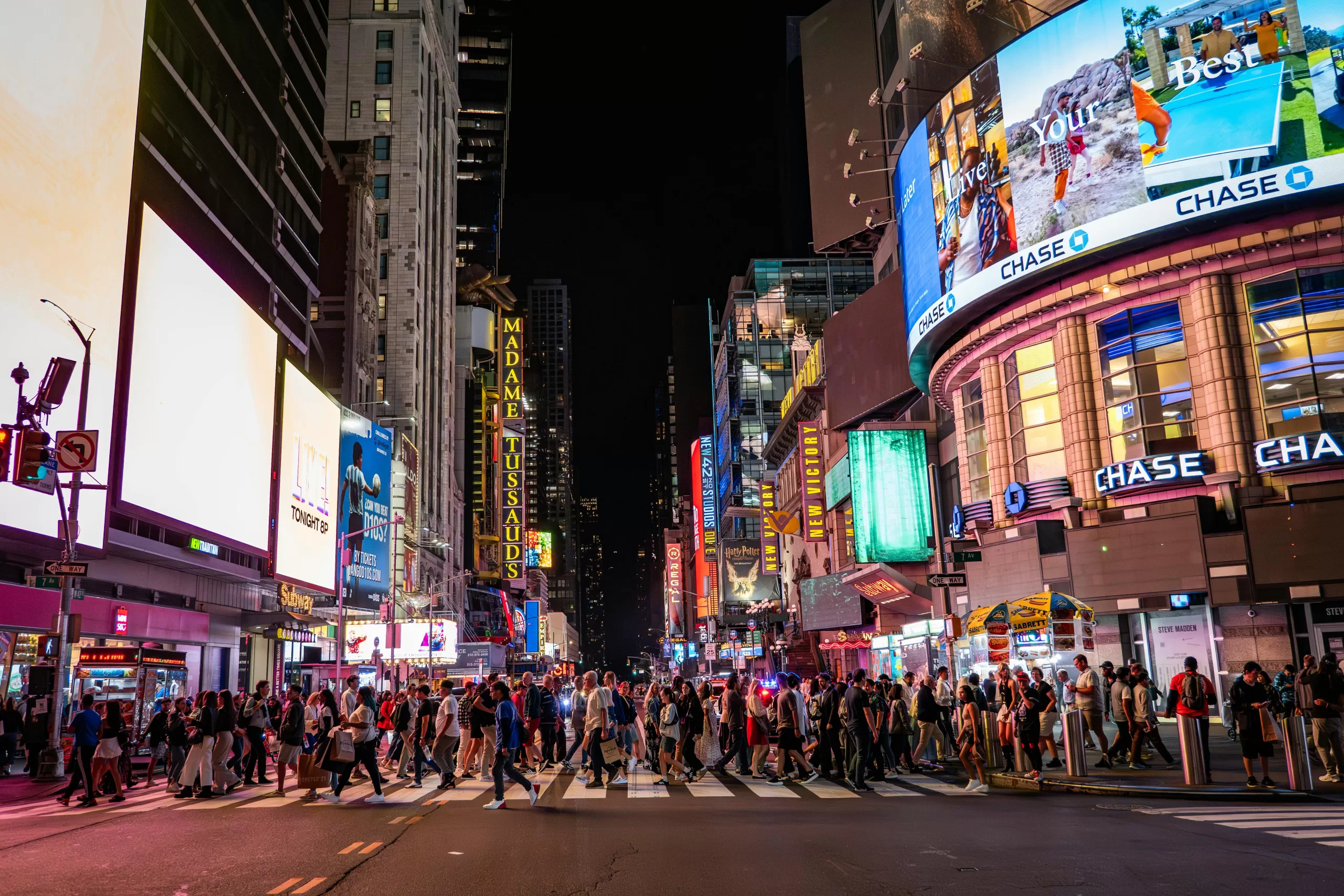
Morning: Ess-a-Bagel and Grand Central
Day 2 is about scale. Start with breakfast at Ess-a-Bagel on Third Avenue. The bagels here are huge, hand-rolled, kettle-boiled, and fresh enough that the staff often hand them across the counter still warm. Order a plain or sesame with scallion cream cheese and a side of nova lox. It’s a textbook New York start.
Walk west to Grand Central Terminal. Even if you don’t catch a train, the main hall ceiling, the celestial mural, and the famous whispering gallery near the Oyster Bar are worth a slow ten minutes. Dive downstairs to the Grand Central Market for a snack lap: Murray’s Cheese has a satellite stall, the dosa stand is a cult favorite, and there’s an excellent espresso counter near the Lexington exit.
Walk three blocks south to the New York Public Library’s Stephen A. Schwarzman Building for the Rose Reading Room. Photographers love it, and it’s free.
Afternoon: Halal Guys, Levain Bakery, Central Park
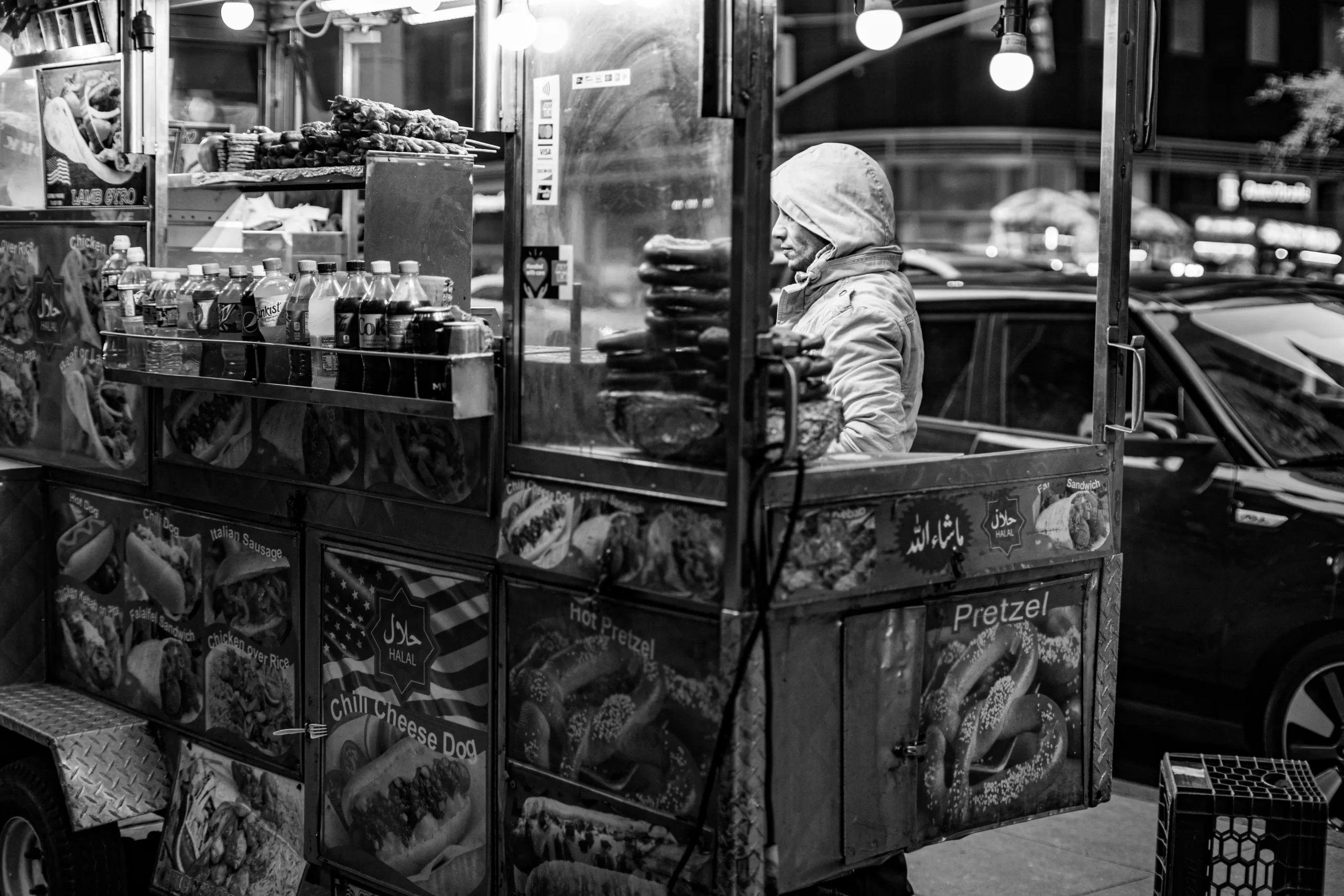
Lunch is at the Halal Guys cart on the southwest corner of 53rd and 6th. Don’t be intimidated by the line; it moves. Order the combo platter (chicken and gyro over yellow rice) and the white sauce, plus a little of the red. It is, no exaggeration, one of the best six-dollar meals in the world.
Hop the C train uptown to Levain Bakery on West 74th. The chocolate chip walnut cookie is a half-pound, gooey-centered, almost-undercooked tribute to overindulgence. Eat half. Save the other half for Central Park, ten blocks east. Walk in at the West 72nd entrance, see Strawberry Fields, and let the cookie do the rest.
If you have time before dinner, walk south through the park toward the Plaza, exit on Fifth, and stroll past the flagship stores on the way to Times Square. For real-time MetroCard and subway info, the official MTA site is the source of truth.
Evening: Keen’s Steakhouse and a Broadway show
Dinner is at Keen’s Steakhouse on West 36th, open since 1885 and serving the same mutton chop in the same wood-paneled rooms ever since. Order it. The mutton chop is the move; the steaks are excellent backups. The clay churchwarden pipes hanging from the ceiling are a museum’s worth of New York history.
End the night with a Broadway show. Tickets are easier to get than people think; the official Broadway League site lists what’s currently running. The TKTS booth in Times Square sells day-of discounted tickets if you didn’t book ahead. Pair the show with a slice of pre-curtain cheesecake at Junior’s on West 45th, and you’ve earned the full Midtown Day 2.
Family-friendly stops in Midtown Manhattan
- Macy’s Herald Square: the world’s largest department store, with a kid-friendly toy floor and the wooden escalators.
- Fifth Avenue flagships: Apple Cube, FAO Schwarz at Rockefeller, and the Lego Store, all within ten blocks.
- Grand Central Market: a curated food market that doubles as a quick lunch spot.
Best places to eat in Midtown Manhattan
- Ess-a-Bagel: for the platonic New York bagel breakfast.
- The Halal Guys (53rd & 6th): the original cart and one of the best cheap lunches in the city.
- Levain Bakery: half-pound cookies that ruin every other cookie.
- Keen’s Steakhouse: classic chophouse, mutton chop, history.
- Los Tacos No. 1 (Chelsea Market): easy detour, authentic tacos, no seats but plenty of standing space.
Day 3: Brooklyn culinary delights
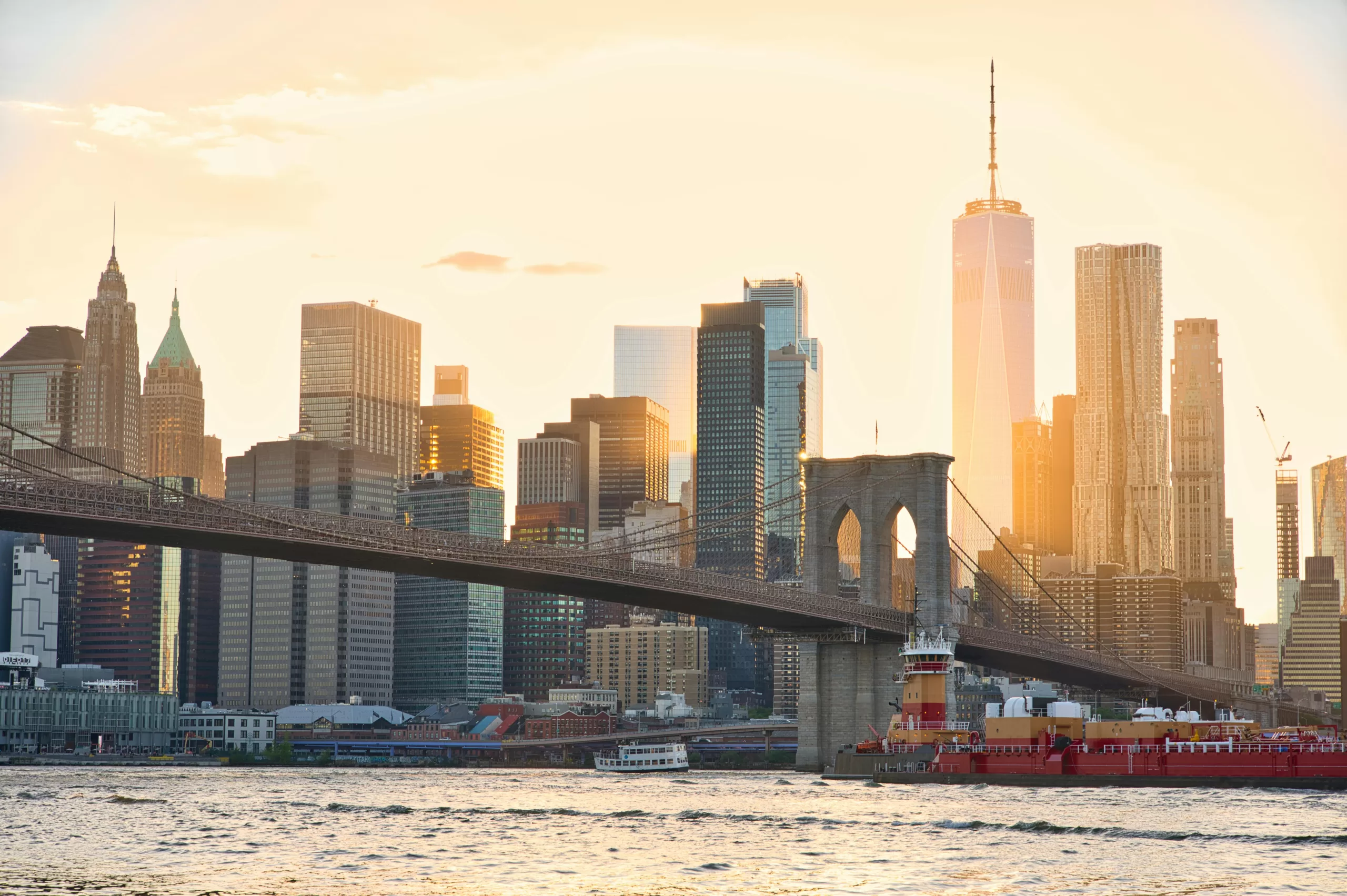
Morning: Greenpoint coffee and Bushwick pizza
Take the L or the G train into Brooklyn for breakfast in Greenpoint. The neighborhood has a quieter, more residential feel than Williamsburg, and the cafes reflect that. Grab a strong drip and a cardamom bun at any of the Polish-influenced spots along Manhattan Avenue.
Then make your way to Roberta’s in Bushwick for lunch. The exterior is a cinder-block warehouse covered in graffiti. The pizzas come out of a wood-fired oven that runs at almost a thousand degrees. The Bee Sting (soppressata, honey, chili) is the must-order. Sit in the back garden if the weather is on your side.
If Roberta’s has a wait, walk a block to the Pulqueria-style cocktail bar next door for a pre-pizza margarita. Brooklyn rewards patience.
Afternoon: Smorgasburg and Williamsburg
Smorgasburg runs Saturdays and Sundays, April through October, in Williamsburg’s East River State Park. A hundred-plus food vendors set up in a single field, serving lobster rolls, ramen burgers, soft-serve ice cream, and whatever this season’s viral mash-up happens to be. Plan to share three or four dishes across your group; portions are generous and lines vary by stall.
If you’re in town outside the Smorgasburg season, swap in Time Out Market on the DUMBO waterfront. The vendors rotate, the views of the Manhattan Bridge are postcard-grade, and there’s almost always a seat upstairs.
After eating, walk the Williamsburg waterfront south toward the Domino Park sugar refinery, which has the best Manhattan-skyline view in the borough that doesn’t require climbing a roof.
Evening: Peter Luger and a rooftop view
Dinner is at Peter Luger Steak House on Broadway near the Williamsburg Bridge. Cash or Peter Luger card only. Service is famously brusque. The Porterhouse for two (or three; it’s enormous) is dry-aged, charred outside, mahogany inside, served sliced and ready, and the home-spun creamed spinach beside it has been the same recipe since 1887. The steak sauce is divisive. Skip it the first time.
For the night cap, the Williamsburg Hotel rooftop or Westlight at the William Vale both face Manhattan and both serve a serviceable cocktail. Watch the FDR Drive light up while the kids count yellow cabs. It’s the right close to a 3-day New York City foodie tour.
Family-friendly stops in Brooklyn
- Williamsburg waterfront: wide open paths, skyline views, and Domino Park’s playgrounds.
- Brooklyn Flea (seasonal): a curated flea market with vintage clothing, antiques, and handmade goods.
- Artists & Fleas (Williamsburg): a marketplace for local artists and designers, easy to browse with kids.
Best places to eat in Brooklyn
- Roberta’s: wood-fired pizza in a Bushwick warehouse with garden seating.
- Smorgasburg (April to October, weekends only): 100-plus vendors in one field.
- Peter Luger Steak House: the porterhouse, the spinach, the history.
- Junior’s Restaurant: traditional New York cheesecake (Manhattan and Brooklyn locations).
- Time Out Market (DUMBO): rotating vendors and the city’s best skyline view from inside.
Essential information for your New York City foodie tour
Best time to visit
Spring (April to May) and fall (September to October) are the sweet spots: pleasant weather, blooming or turning trees, smaller crowds than summer, and Smorgasburg in full swing. Summers are hot, humid, and packed but offer the longest daylight and outdoor events. Winters are quieter and cheaper but cold; pick winter only if you want low hotel rates and don’t mind eating mostly indoors.
Where to stay
Midtown is the practical pick if you’re flying into JFK or Newark and want to walk to most attractions. Greenwich Village and the West Village deliver the most charm and the easiest food access for Day 1. Brooklyn (Williamsburg or DUMBO) is the splurge with skyline views and a slower morning vibe; book three months out for the best rates. Vacation rentals in the boroughs are often cheaper than Manhattan hotels for groups of four or more.
Getting around
The subway is the answer. A 7-day unlimited MetroCard or the OMNY tap-to-pay system covers everything you’ll do, and most attractions are within a fifteen-minute ride. Walking is the second answer; New York rewards it. Ride-share is convenient for late nights but expensive in surge periods. Skip the rental car entirely. Parking is brutal and the subway runs 24/7.
What to pack
Comfortable walking shoes are non-negotiable. You’ll average four to six miles a day on this itinerary, much of it on hard sidewalks. Layers (the subway is hot, the streets are cold), a small umbrella, a portable battery for your phone, and a light tote bag for groceries and souvenirs round out the kit. For a complete pre-trip checklist, see our best travel checklists to plan your trip. If you’re flying, our guide to the best carry-on suitcases covers the bags that fit overhead bins on every major US carrier.
Travel documents and health
U.S. domestic travelers need a valid government-issued ID (REAL ID-compliant for flights from May 2025 onward). International visitors should confirm visa or ESTA requirements with the U.S. State Department before booking. Routine vaccinations are sufficient for travel to New York, with no special requirements. Tap water is safe and excellent (some say the best in the country, due to the upstate watershed).
Money and connectivity
U.S. dollars, with credit cards accepted almost everywhere including bodegas, food trucks, and the subway. Cash is useful for small bills at carts and the rare cash-only restaurants (Peter Luger, until recently). Tipping is expected (18 to 22 percent at restaurants is now the norm; 15 percent is increasingly seen as low). Cell coverage is excellent above ground and patchy on subways. Free Wi-Fi is widely available at hotels, cafes, and most public spaces.
Local NYC tips
“On line” not “in line” (New Yorkers wait on line, never in it). “Bodega” is a corner store that sells everything from cigarettes to bacon-egg-and-cheese sandwiches; the cat is unionized. “Fuhgeddaboudit” is real and used unironically by older Brooklynites. The “BQE” is the Brooklyn-Queens Expressway and you’ll hear someone curse it daily. “Uptown” and “downtown” refer to direction (north and south) regardless of where you actually are. For more neighborhood-specific guides, the official NYC Go tourism site is solid.
Sustainable travel notes
Reusable water bottles are easy to refill at any cafe or fountain (NYC tap water is excellent). Use the subway and walk; you’ll see more and emit less. Support independents over chains. Most of the restaurants in this guide are family-owned or independently operated, which keeps food culture in the city interesting.
Accessibility
Most major attractions and museums are wheelchair accessible. Subway stations are gradually being retrofitted with elevators (about 30 percent of stations have full ADA access; check the MTA accessibility map before planning your route). Sidewalks in Greenwich Village and parts of Brooklyn can be uneven. Many restaurants offer accommodation for visitors with mobility needs; calling ahead is the safe play.
Conclusion
Three days in New York with a foodie focus comes down to discipline: pick three neighborhoods, eat in each one without trying to do everything, and let the walking time between stops be the digestion. Greenwich Village starts you small and intentional. Midtown scales you up. Brooklyn brings you back down with one last big steak and one last skyline view. Adjust the pace to your appetite; a sit-down break at the right moment is what separates a good food trip from a regrettable one.
If you’re planning a broader U.S. trip, our Nashville family vacation guide and New York City family vacation itinerary use the same kid-tested 3-day format. For a different foodie destination in the same shape, our Edmonton foodie tour covers a quieter Canadian counterpoint.
Frequently asked questions
Is this 3-day New York City foodie tour suitable for vegetarians or vegans?
Absolutely. New York is one of the most plant-friendly cities in the world. Most restaurants on this itinerary, including Buvette, Murray’s Cheese, Chelsea Market, Smorgasburg, and Roberta’s, have strong vegetarian and vegan options. For dedicated plant-based meals, swap in places like Dirt Candy in the Lower East Side or Superiority Burger in the East Village.
How much does a 3-day NYC foodie tour cost?
For a couple, expect roughly $400 to $700 on food across three days at this itinerary’s mix of casual and sit-down spots, plus $600 to $1,500 on accommodation depending on neighborhood and season. Add $35 for a 7-day unlimited MetroCard, and figure $50 to $150 for the optional Broadway show. Total: roughly $1,100 to $2,400 per couple before flights.
Do I need reservations for these restaurants?
Yes for Minetta Tavern, Keen’s Steakhouse, and weekend dinner at Peter Luger. Joe’s Pizza, Halal Guys, Ess-a-Bagel, Levain, Milk Bar, and Smorgasburg are all walk-up. Roberta’s takes some reservations and walk-ins; expect a wait at peak times.
What’s the best way to get around New York City?
The subway, every time. A 7-day unlimited MetroCard or the OMNY tap-to-pay system covers all five boroughs. Walking is the second-best option for shorter distances. Skip the rental car; parking is expensive and traffic is brutal. Ride-share is fine for late nights but pricey during surge.
What if it rains during my New York foodie tour?
Most of this itinerary is rain-friendly. Restaurants, the subway, and food halls (Chelsea Market, Grand Central Market, Time Out Market DUMBO) are all indoors. Swap the Washington Square Park or Central Park stroll for a museum (the Met, MoMA, the Whitney) and you’re fully covered. Bring a small umbrella and waterproof shoes.
Is this itinerary family-friendly?
Yes, with light adjustments. Skip the late-night jazz on Day 1 and the rooftop bar on Day 3 with younger kids; both Macy’s Herald Square (Day 2) and Smorgasburg (Day 3) are kid-friendly stops. Most of the restaurants on this list welcome children at lunch and early dinner.
What other neighborhoods should foodies explore?
Beyond the three covered here, the Lower East Side is the place for classic Jewish appetizing (Russ & Daughters) and dim sum / hand-pulled noodles in Chinatown. Flushing in Queens has the most authentic regional Chinese food in the city. Astoria is the move for Greek and Egyptian. Each could fill its own day.
What’s the tipping culture like in New York City?
Tipping is universal and the floor has shifted upward in recent years. Restaurants: 18 to 22 percent of the pre-tax total. Bars: $1 to $2 per drink, or 18 to 20 percent on the tab. Coffee shops: rounding up or a dollar in the jar. Taxis and ride-share: 15 to 20 percent. Tip in cash where possible.
What desserts shouldn’t I miss besides Levain Bakery cookies?
Junior’s cheesecake (Brooklyn or Times Square), a black-and-white cookie from any classic deli (Zaro’s at Grand Central is reliable), a cannoli from Ferrara in Little Italy, and the Cereal Milk soft serve at Milk Bar. If you have time for one more, Big Gay Ice Cream’s Salty Pimp cone (vanilla, dulce de leche, sea salt, chocolate dip) is a New York rite of passage.
Is New York City safe for tourists?
NYC is broadly safe for tourists in the neighborhoods covered by this itinerary: Greenwich Village, Midtown, the Upper West Side, Williamsburg, DUMBO, and Bushwick (around Roberta’s). Practice standard urban awareness: keep an eye on bags in crowded subway cars and at Times Square, don’t flash valuables, and stick to lit streets after dark. Avoid empty subway cars at night; choose the one with people in it.
You Might Also Like
New York City Family Vacation: 3-Day Itinerary for Fun and Exploration
Edmonton Foodie Tour: A 3-Day Culinary Journey Through Local Eats and Hidden Gems
Stirling Foodie Tour: A 3-Day Culinary Journey Through Local Delights and Scottish Flavors
Leave a Reply