
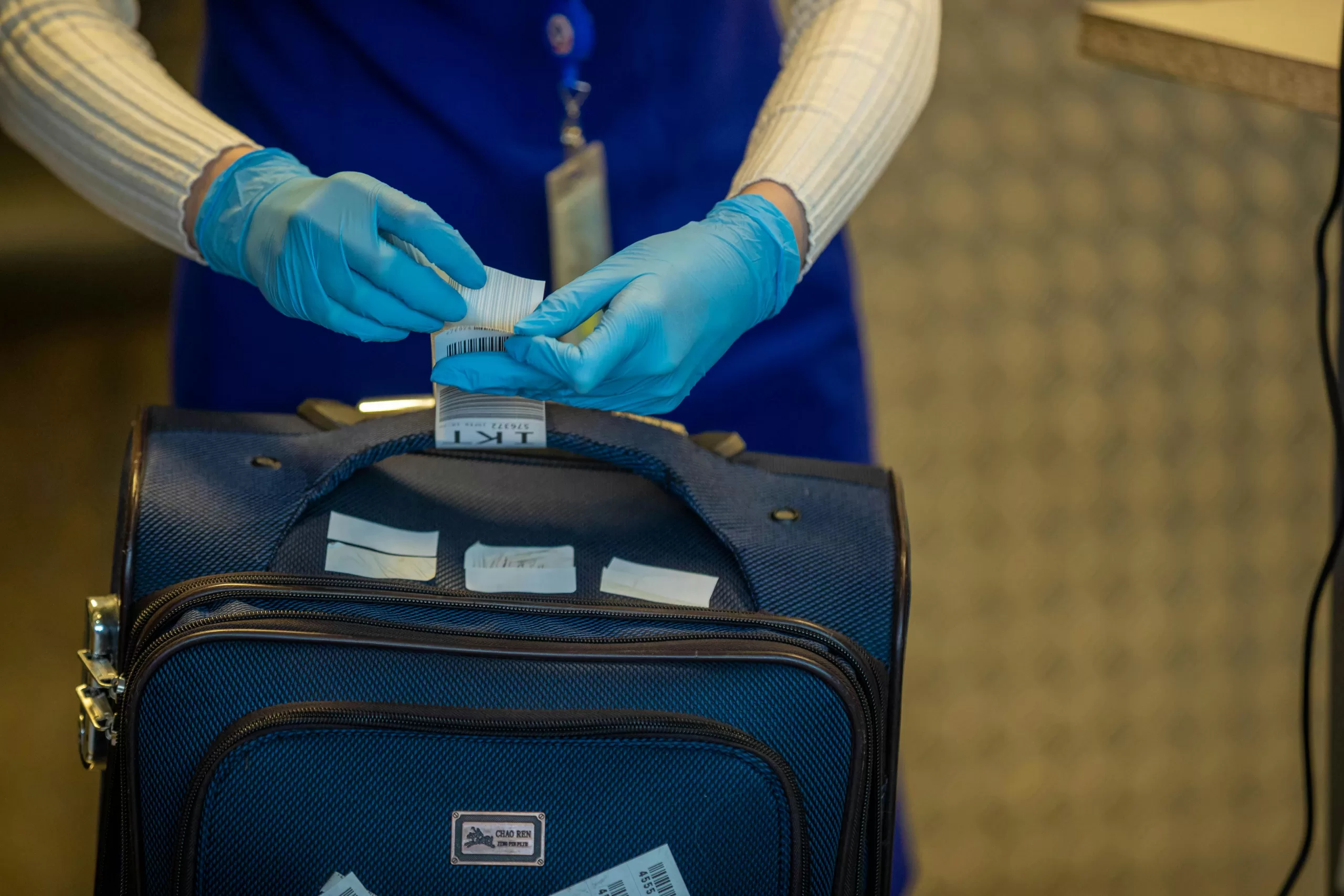
Worried about your luggage being tampered with? You’re not alone. The fear of pulling a suitcase off the carousel and finding it open, ransacked, or missing the camera you swore you’d packed is real. The good news: a $10 to $15 lock solves most of it, as long as you pick the right one.
I’ve spent more time than I care to admit reading luggage-lock reviews, and most of them blur together. So I cut through the noise. The five locks below are the actual current Amazon best-sellers in the Luggage Locks category. They’re TSA-approved (so security agents can inspect without cutting your lock), they hold up to baggage-handler abuse, and they cost less than a checked-bag fee.
QUICK SUMMARY: Top 5 Luggage Locks
- Forge TSA Approved Cable Luggage Locks (2 Pack)
- Puroma 4-Digit TSA Approved Combination Locks (2 Pack)
- SURE LOCK TSA with Open Alert Indicator (2 Pack)
- Forge TSA008 4-Digit Combination Lock (2 Pack)
- TRAVOCE Heavy Duty Cable Lock (4 Pack)
Each one earns its slot for a different reason. Read on for the details, the features that matter, and how to pick the right lock for the way you actually travel.
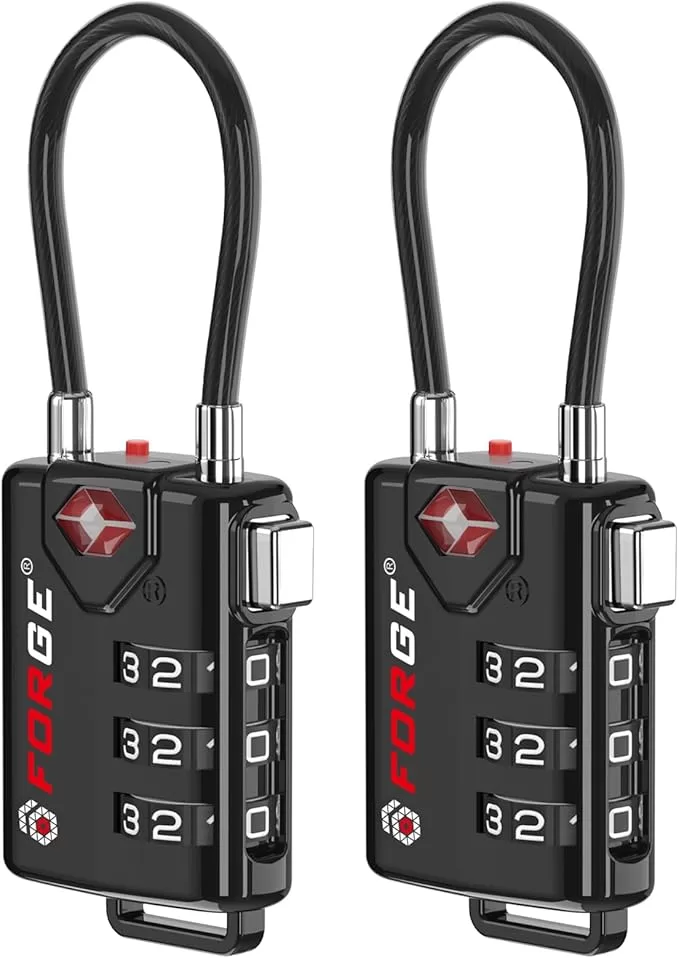
1. Forge TSA Approved Cable Luggage Locks (2 Pack)
The Amazon #1 best-seller in luggage locks. Forge’s alloy body and braided steel cable absorb baggage-handler abuse, and the unconditional lifetime guarantee means a broken lock gets refunded or replaced.
Features
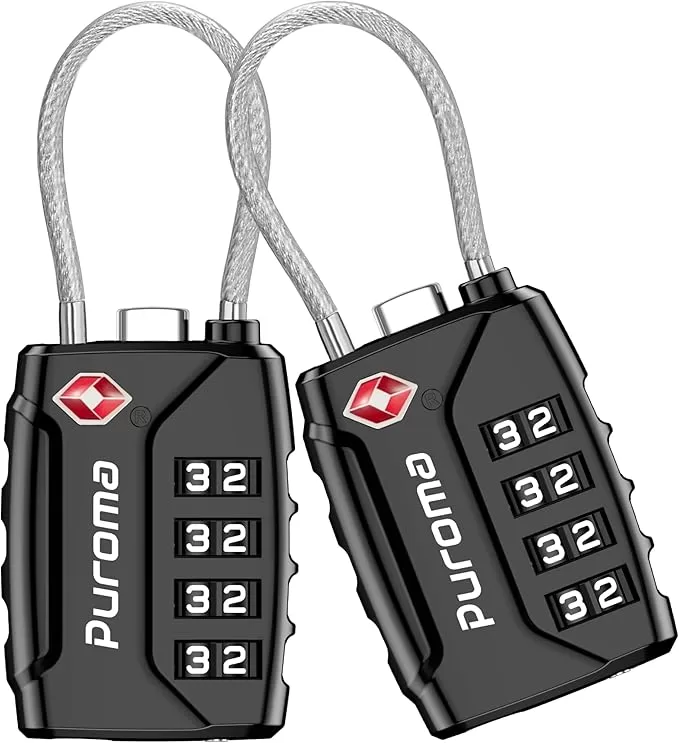
2. Puroma 4-Digit TSA Approved Combination Locks (2 Pack)
Best-value pick at under $5 per lock. The 4-digit combination gives you 10,000 codes (10x more than a 3-digit), and the zinc alloy body shrugs off rough handling.
Features
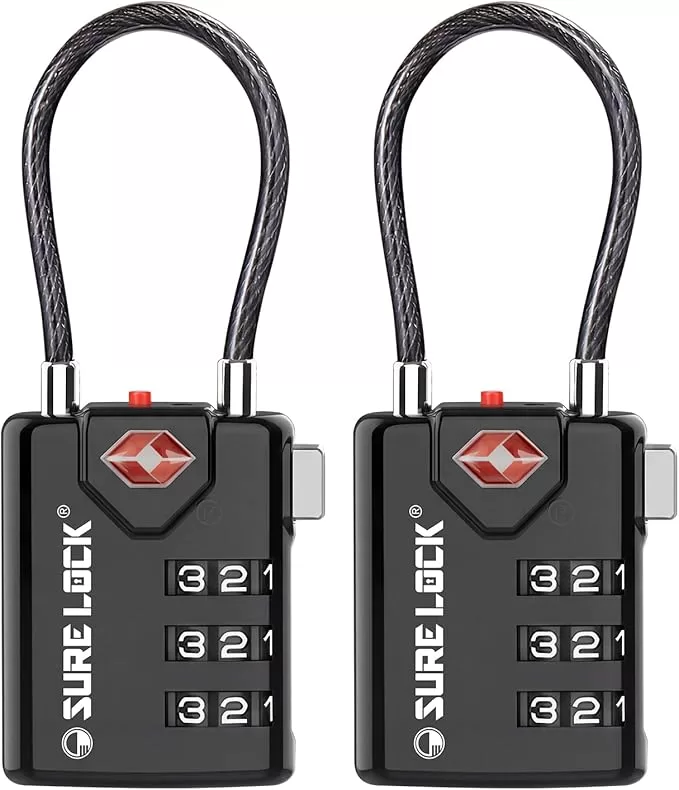
3. SURE LOCK TSA with Open Alert Indicator (2 Pack)
The Open Alert Indicator is the differentiator: a bright red button pops up when TSA opens the lock and stays visible, so you know your bag was inspected before you even claim it.
Features
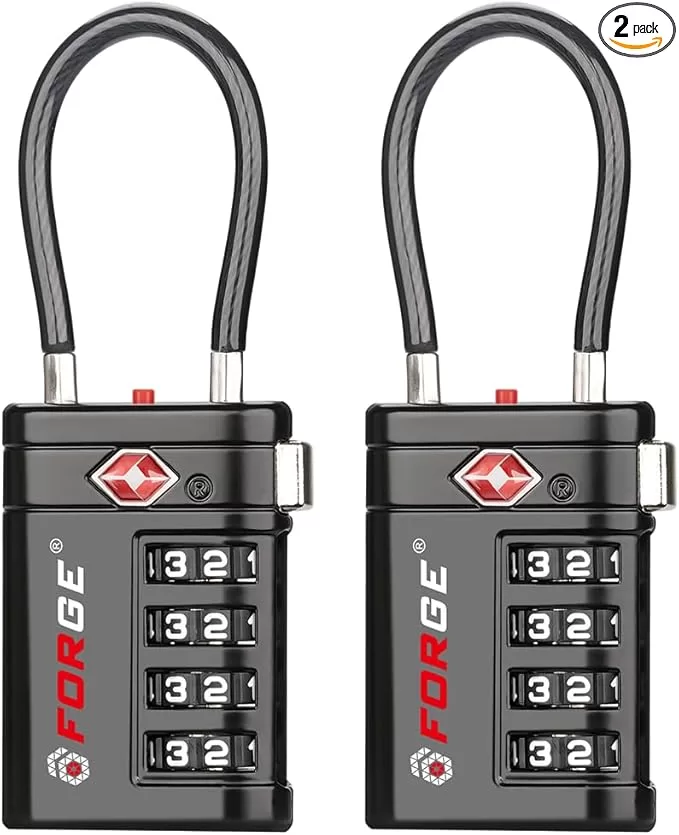
4. Forge TSA008 4-Digit Combination Lock (2 Pack)
The premium pick. TSA008 is the latest Travel Sentry standard, the 4-digit combo gives you 10,000 codes, and the Open Alert Indicator catches inspections in real time.
Features
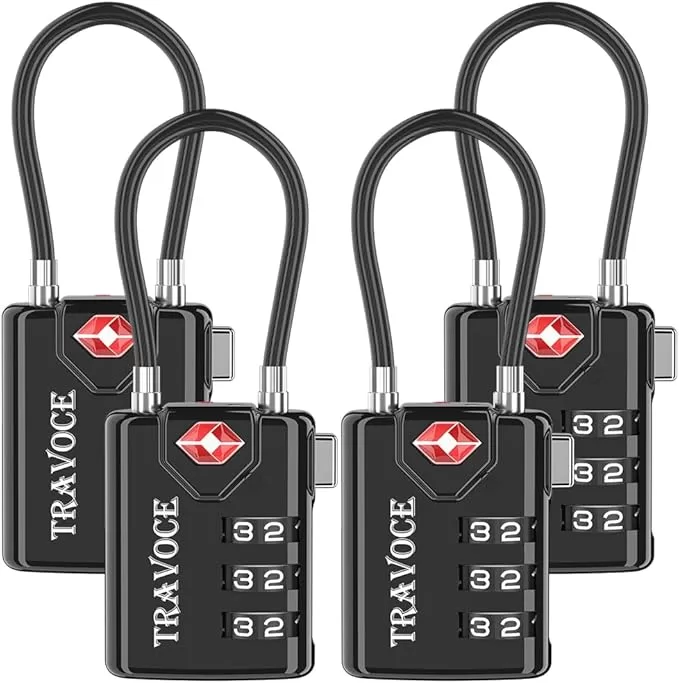
5. TRAVOCE Heavy Duty Cable Lock (4 Pack)
Best multi-pack value. Four locks lets you secure two suitcases plus a couple of carry-ons or duffels on the same trip, and the Red Search Alert flags TSA inspections at the carousel.
Features
Why You Need a Good Luggage Lock
The argument against luggage locks usually goes something like this: any determined thief with bolt cutters can defeat any lock, so why bother? It’s not wrong on the technicality, but it misses the point. Most baggage problems aren’t determined thieves. They’re opportunistic ones, accidental zipper failures, and the small but real risk that your bag pops open between the curb and the conveyor.
A good lock costs less than a checked-bag fee and solves all three. It deters the opportunistic thief who’s looking at twenty bags and picks the unlocked one. It keeps the zipper from sliding open in transit. And the visible TSA-approved logo means security agents can do their job without snipping your lock with a pair of cutters.
TSA-Approved vs Non-TSA Locks: What’s the Difference?
If you’re flying to or through the United States, this is the single most important detail. The Transportation Security Administration has the legal authority to inspect any checked bag without your permission. If your lock isn’t TSA-approved, they will cut it off. No reimbursement, no apology, no replacement.
TSA-approved locks have a special master key that only TSA agents possess. They open your bag for inspection, look around, lock it back, and you never know they were there (unless your lock has an Open Alert Indicator, in which case a small red flag pops up to tell you). The lock you choose should display either the red Travel Sentry diamond or the Safe Skies torch logo. For more on TSA’s policies, see the official TSA luggage locks guidance.
Types of Luggage Locks: Padlock, Cable, and Combination
Combination locks
Combination locks are the dominant choice for one reason: there’s no key to lose. You set a 3-digit or 4-digit code, you remember it (or write it somewhere safe), and that’s it. The trade-off is that you have to actually remember it. Setting your birthday is a common mistake. So is setting it to 1-2-3.
Cable locks
Cable locks have a flexible braided-steel loop instead of a rigid shackle. They thread through dual zipper pulls easily, around handles, and through irregular gear bag openings that a standard padlock won’t fit. For modern soft-side luggage with non-aligned zipper holes, the cable is usually the better fit.
Keyed locks
Keyed locks still exist and they’re durable, but they’re a smaller share of the market now because the failure mode is rough: lose the key and you’re cutting your own lock off. Some travelers use them as backup or for storage trunks; few rely on them as the primary travel lock anymore.
What to Look for in a Great Luggage Lock
After picking through dozens of options, the same five attributes show up on the locks that actually work for travel. Use this as your filter when scanning Amazon listings.
- Travel Sentry or Safe Skies certification. The lock body should show a red diamond (Travel Sentry) or torch (Safe Skies) logo. No logo, no TSA approval.
- Zinc alloy or hardened-steel body. Plastic bodies fail. Cheap die-cast zinc cracks. Look for “zinc alloy” with reinforcement, or hardened-steel shackles.
- Resettable combination. You should be able to change the code yourself. If a lock arrives with a fixed factory code, skip it.
- 4-digit combination over 3-digit (when possible). A 4-digit code has 10,000 combinations vs 1,000 for 3-digit. Brute-forcing 1,000 codes by hand takes a determined hour; 10,000 takes ten times that.
- Open Alert Indicator (nice-to-have). A pop-up red flag that signals TSA opened the lock during screening. Doesn’t change security but tells you whether your bag was inspected.
How to Set and Reset a Combination Luggage Lock
Most combination locks ship with a default code (usually 0-0-0 or 0-0-0-0). Setting your own code takes about thirty seconds:
- Set the dials to the factory default (almost always all zeros).
- Find the small reset lever on the side or back of the lock body. Use a pen or a paperclip to push it down or rotate it 90 degrees.
- Hold the lever and turn the dials to your new code.
- Release the lever. Your new combination is set.
- Test it once before you trust it on a flight.
If you forget your combination, most locks have no recovery mechanism. You’ll need to either bolt-cut the lock or, on some models, walk the dials through every combination (1,000 tries for a 3-digit, 10,000 for a 4-digit) until it opens. That’s why a 4-digit code is more secure but also a bigger headache if you forget.
Common Mistakes Travelers Make with Luggage Locks
- Using a non-TSA lock on a U.S.-bound flight. The TSA will cut it off. You’ll never see it again.
- Setting the combination to your birthday or 1-2-3-4. Predictable codes are crackable in seconds.
- Locking only one of two zipper pulls. Both pulls need to be threaded through the lock to actually secure the bag. A locked single pull can be slid open with a pen tip.
- Skipping the test before the airport. Set the code, lock it, unlock it, lock it again, all at home. Don’t discover at the check-in counter that the dial is jammed.
- Trusting a luggage lock to stop a determined thief. Locks deter opportunists. They don’t stop someone with bolt cutters or fifteen minutes alone with your bag. Don’t put irreplaceable valuables (passport, jewelry, electronics) in checked luggage, locked or not.
When a Luggage Lock Won’t Save You
Worth saying out loud: a $13 lock is not the same as a safe. The braided cable on most travel locks can be cut with a decent pair of side cutters in seconds. The lock body can be smashed against concrete. The dials can be brute-forced if someone has private time with your bag.
What luggage locks actually do is shift the math. A thief deciding which of fifty bags to grab will skip yours and take the unlocked one. A baggage handler with a few angry seconds will move on. The accidental zipper opening in transit becomes impossible. For everything more serious, the rule is to keep valuables on you, not in the bag. The official Travel Sentry organization has a full list of certified locks if you want to verify before buying.
Travel Lock Buying Tips
A few practical notes from years of using these things:
- Buy a 2-pack or 4-pack. You will lose at least one. Spares are cheap insurance.
- Pick a memorable but non-obvious code. The last four digits of an old phone number works well.
- Write the code down somewhere that isn’t your phone (which can die) and isn’t with the lock (defeating the purpose).
- Cable locks beat padlocks for soft-side luggage. Padlocks beat cable locks for trunks, hard-side cases with aligned zipper holes, and storage.
- If you check bags often, get an Open Alert Indicator model. It’s a small thing, but knowing your bag was inspected matters.
Travel Luggage Locks FAQ
Are TSA-approved luggage locks really worth it?
Yes, especially for flights to or through the United States. Without TSA approval, agents have the right to cut your lock off during inspection, and they will. A TSA-approved lock costs $5 to $15 and lasts for years.
Can a TSA-approved lock be opened by anyone with the master key?
Only TSA agents have the master keys. Travel Sentry distributes them under strict controls to U.S. airport security personnel. The keys themselves have been cloned by hobbyists in the past, but in practice, opportunistic theft of TSA-locked bags by non-TSA personnel is rare.
Should I pick a 3-digit or 4-digit combination lock?
4-digit if you want maximum security (10,000 combinations vs 1,000 for 3-digit). 3-digit if you’re worried about forgetting the code. Both are fine for travel; the difference matters more if your bag sits unattended for hours.
What’s the difference between a cable lock and a padlock?
A padlock has a rigid steel shackle. A cable lock has a flexible braided steel cable. Cable locks fit through irregular zipper openings on soft-side luggage. Padlocks are sturdier for trunks and hard-side cases. For modern soft-side travel bags, cable locks usually win.
What if I forget my luggage lock combination?
Most combination locks have no built-in recovery. You’ll either need to cut the lock off (bolt cutters or strong wire cutters work) or walk the dials through every possible combination until the lock opens. For a 3-digit lock, that’s up to 1,000 tries; for a 4-digit, up to 10,000.
Do I need a luggage lock if I never check bags?
Probably not for the airport itself. Carry-on bags stay with you. But locks are still useful for hotel safes that don’t lock, hostel lockers, train luggage racks, and any time the bag is out of your sight. A small cable lock weighs under an ounce and slips into a pocket.
How do I tell if a lock is genuinely TSA-approved?
Look for the red Travel Sentry diamond logo or the Safe Skies torch logo embossed or printed on the lock body. The packaging will also list TSA approval. If neither logo is visible, it isn’t approved, regardless of what the listing claims.
Are luggage locks effective against determined thieves?
No. A determined thief with bolt cutters defeats any travel lock in seconds. What luggage locks do is deter opportunistic theft, prevent accidental openings, and signal that your bag is harder to access than the unlocked bag next to it. They’re insurance against everyday risk, not professional crime.
Can I use multiple locks on the same suitcase?
Yes, and many travelers do. A combination lock on the main compartment plus a small cable lock on a front pocket adds friction without much weight. Just remember every combination, since each lock is independent.
What’s an Open Alert Indicator?
A small visual indicator (usually a bright red button or flag) that pops up when the lock is opened by a TSA master key during screening. The indicator stays visible until you reset it with your code, so you know your bag was inspected even if the lock looks otherwise untouched.
Final Thoughts: Pick the Lock, Then Forget About It
The right luggage lock is the one you’ll actually use. Pick a TSA-approved 2-pack or 4-pack from the list above based on what you’re traveling with. Set a code that isn’t your birthday. Test it at home before the airport. Then stop thinking about it. The whole point of a $13 lock is that you don’t have to spend mental energy on bag security for the rest of the trip.
If your luggage isn’t TSA-approved-locked yet, fix it before your next checked-bag flight. The cost-to-peace-of-mind ratio is one of the best in travel.
You Might Also Like
Best Travel Checklists to Plan Your Trip
Leave a Reply