
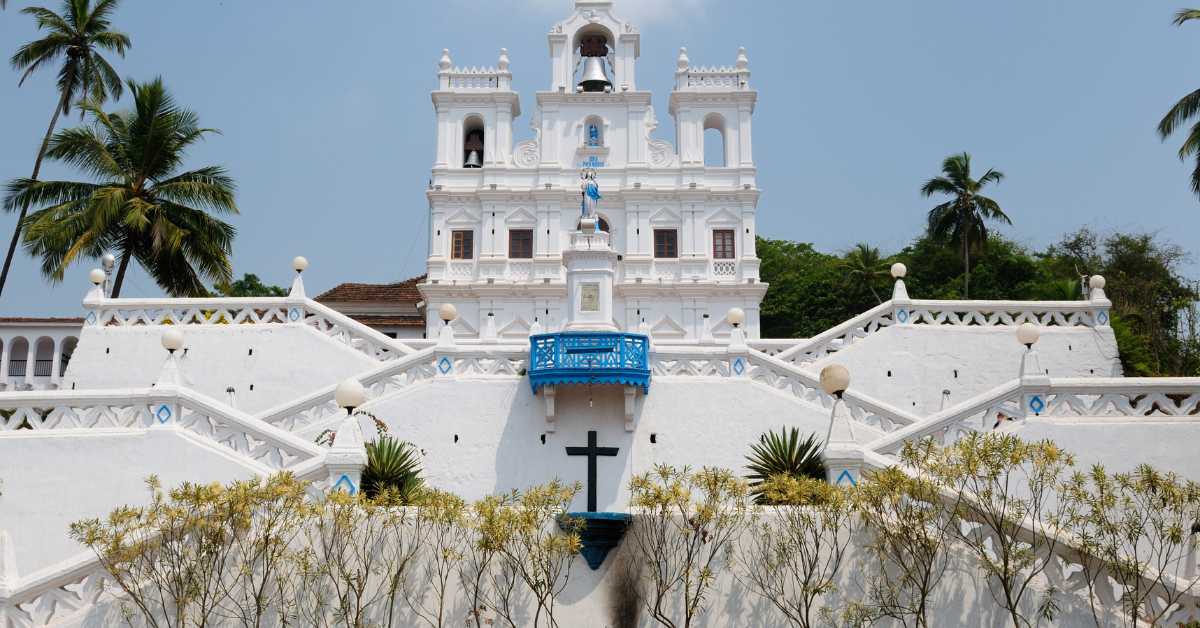
Goa history and culture come alive in this unforgettable 4-day journey through the state’s hidden gems. Nestled on the western coast of India, Goa is known for its pristine beaches, vibrant markets, and rich heritage. This itinerary is perfect for those who love to relax while they travel, offering a mix of historic sites, local culture, and leisurely activities.
On this trip, you’ll explore the ancient churches and temples of Old Goa, the bustling streets and colonial architecture of Panaji, and the serene beauty of Margao. Each day is thoughtfully planned to provide a balance of sightseeing, shopping, and dining at some of the best spots in each location. Enjoy mornings filled with explorations, afternoons dedicated to discovering local treasures, and evenings that offer the best of Goa’s cuisine and nightlife.
This itinerary not only highlights Goa’s history but also emphasizes its cultural richness, making it a must-visit destination for anyone looking to immerse themselves in a unique travel experience. Get ready to unwind and soak in the charm of Goa with our detailed 4-day plan, crafted to ensure you experience the best the region has to offer.
Day 1: Exploring Old Goa’s Hidden Treasures
Morning
Start your day by exploring the Basilica of Bom Jesus, a UNESCO World Heritage site that houses the remains of St. Francis Xavier. This historic church is a prime example of baroque architecture and a significant part of Goa’s history and culture. Next, head to the Se Cathedral, one of the largest churches in Asia, known for its Portuguese-Gothic architecture and the famous Golden Bell. Wander through the serene gardens and admire the intricate details of these magnificent structures. Don’t forget to visit the Archaeological Museum, which showcases artifacts from Goa’s rich past.
Afternoon
In the afternoon, visit the St. Augustine Tower, an iconic ruin that offers a glimpse into Old Goa’s history. The towering structure is a testament to the grandeur of the bygone era. From there, make your way to the Church of St. Cajetan, inspired by St. Peter’s Basilica in Rome. This beautiful church features Corinthian columns and stunning interiors. After exploring, take a leisurely walk along the Mandovi River and enjoy the scenic views. The riverbank is perfect for a peaceful stroll and offers a relaxing atmosphere.
Evening
As the sun sets, head to the vibrant Fontainhas Latin Quarter. This charming neighborhood is a living museum of Goa’s cultural heritage, with colorful Portuguese-style houses and narrow winding streets. Explore the quaint shops and art galleries, and soak in the unique ambiance. For dinner, visit a local restaurant to enjoy Goan cuisine. Try dishes like fish curry rice, bebinca, and prawn balchao. The evening in Fontainhas is perfect for experiencing the blend of Goan and Portuguese cultures.
Best Places to Shop in Old Goa
Old Goa offers a variety of shopping experiences. Visit the Panjim Market for local handicrafts, spices, and souvenirs. The market is bustling with activity and provides an authentic Goan shopping experience. For unique items, check out the Velha Goa Galeria for antique furniture and vintage decor. Another great spot is the Pilar Handicrafts Centre, where you can find traditional Goan crafts and textiles.
Best Places to Eat in Old Goa
When it comes to dining, Old Goa has some excellent options. Venite Bar & Restaurant is a popular choice, known for its delicious Goan seafood and charming decor. For a taste of traditional Goan cuisine, visit Vinayak Family Restaurant, which serves mouth-watering dishes in a cozy setting. Another great option is Fisherman’s Wharf, offering a fantastic waterfront dining experience with a variety of local and international dishes.
Day 2: Discovering Panaji’s Cultural Heritage
Morning
Begin your day in Panaji with a visit to the Immaculate Conception Church. This stunning white church is one of the oldest in Goa and offers beautiful views of the city from its steps. Afterward, take a walk to the Goa State Museum. Here, you’ll find exhibits showcasing Goa’s rich history and culture, including artifacts, paintings, and sculptures that highlight the state’s diverse heritage.
Afternoon
In the afternoon, head to the Adil Shah’s Palace, also known as the Old Secretariat Building. This historical site was the summer residence of Sultan Adil Shah and now serves as a cultural venue. Next, visit the Kala Academy, a cultural hub where you can explore art galleries, attend performances, and learn about Goa’s artistic heritage. For a relaxing break, stroll along the scenic Mandovi River, where you can enjoy the peaceful surroundings and watch boats glide by.
Evening
Spend your evening exploring the lively streets of Panaji. Visit the 18th June Road, a popular shopping area where you can find a variety of stores selling everything from clothing to electronics. As night falls, enjoy a traditional Goan dinner at Mum’s Kitchen, a restaurant known for its authentic flavors and cozy atmosphere. End your day with a visit to the Deltin Royale Casino for some entertainment and a taste of Goa’s nightlife.
Best Places to Shop in Panaji
Panaji is a shopper’s delight with numerous markets and stores. The Panjim Market is a must-visit for local produce, spices, and souvenirs. For unique finds, check out The Paper Boat Collective, which offers contemporary art, craft, and design products. Another great shopping spot is Mario Miranda Gallery, where you can buy prints and merchandise featuring the famous Goan cartoonist’s work.
Best Places to Eat in Panaji
Dining in Panaji is a delightful experience. Viva Panjim is a charming restaurant located in a Portuguese house, serving traditional Goan cuisine. For a fine dining experience, try Hospedaria Venite, known for its seafood and colonial ambiance. Another excellent choice is The Black Sheep Bistro, which offers innovative dishes with local ingredients and flavors.
Day 3: Unearthing Margao’s Colonial Charm
Morning
Start your day in Margao by visiting the Church of the Holy Spirit. This beautiful church, built in the Baroque style, is one of the oldest in Goa and offers a peaceful atmosphere for reflection. Next, take a short walk to the Margao Municipal Garden, a lovely green space perfect for a morning stroll. The garden is well-maintained and provides a serene environment to relax and enjoy the fresh air. As you walk around, you’ll notice the blend of colonial architecture and local culture that makes Margao unique.
Afternoon
In the afternoon, head to the House of Seven Gables, also known as Sat Burzam Ghor. This historic mansion is a fine example of Portuguese architecture in Goa and offers a glimpse into the colonial past. After exploring the mansion, visit the Margao Market, one of the largest and most vibrant markets in Goa. Here, you can find a variety of goods, including fresh produce, spices, textiles, and handicrafts. Take your time to wander through the market, interact with local vendors, and soak in the lively atmosphere.
Evening
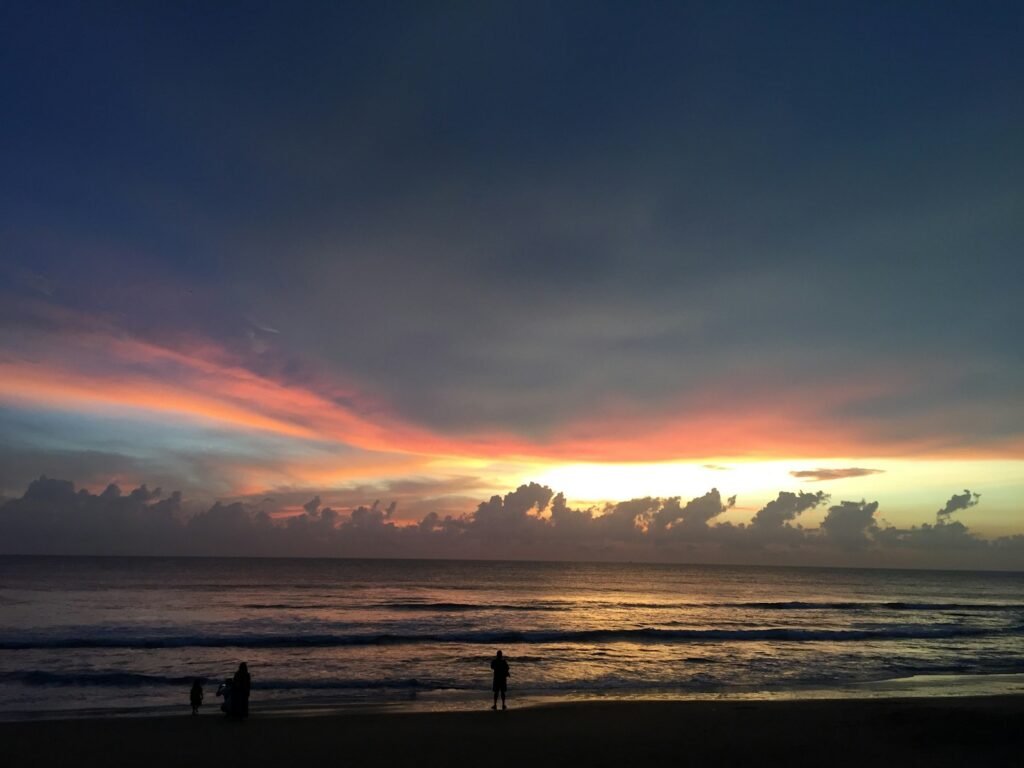
As evening approaches, make your way to the Colva Beach, just a short drive from Margao. This beautiful beach is less crowded than other popular beaches in Goa, making it an ideal spot to relax and watch the sunset. Enjoy a leisurely walk along the shore, dip your toes in the water, or simply sit back and enjoy the tranquil surroundings. For dinner, visit one of the beachside shacks or restaurants to savor delicious Goan seafood while enjoying the cool sea breeze.
Best Places to Shop in Margao
Margao offers several excellent shopping spots. The Margao Market is a must-visit for its wide variety of goods, from fresh produce to souvenirs. For unique finds, check out the Borda Market, where you can find local handicrafts and textiles. Another great shopping destination is the Lloyd’s Shopping Arcade, which offers a mix of traditional and modern products.
Best Places to Eat in Margao
When it comes to dining, Margao has some fantastic options. Martins Corner is a popular restaurant known for its delicious Goan dishes and lively atmosphere. For a more traditional experience, visit Spicy Bella for authentic Goan and Portuguese cuisine. Another great choice is Peppers Gourmet Cuisine, which offers a variety of local and international dishes in a cozy setting.
Day 4: Relaxing in South Goa’s Beaches and Spas
Morning
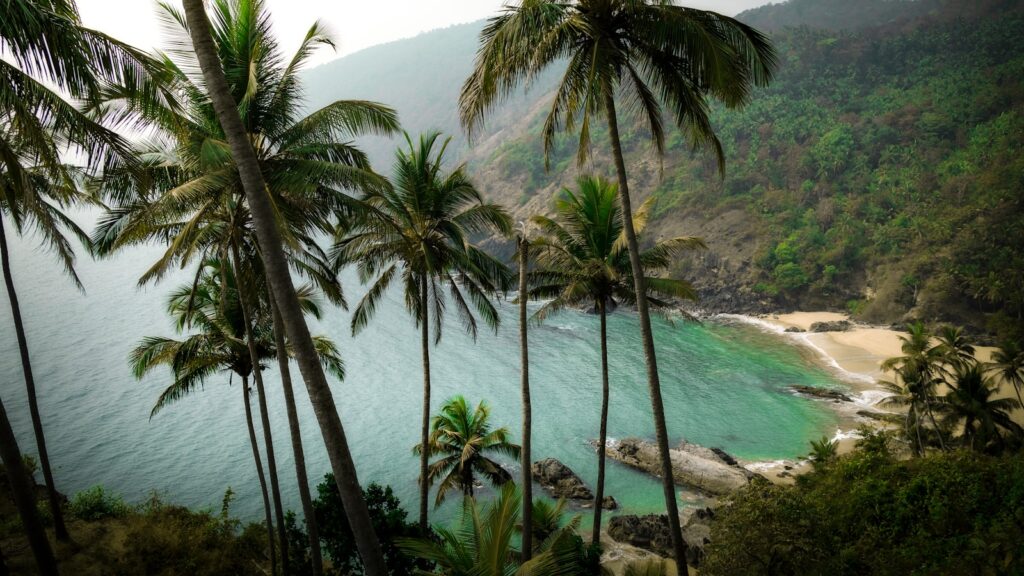
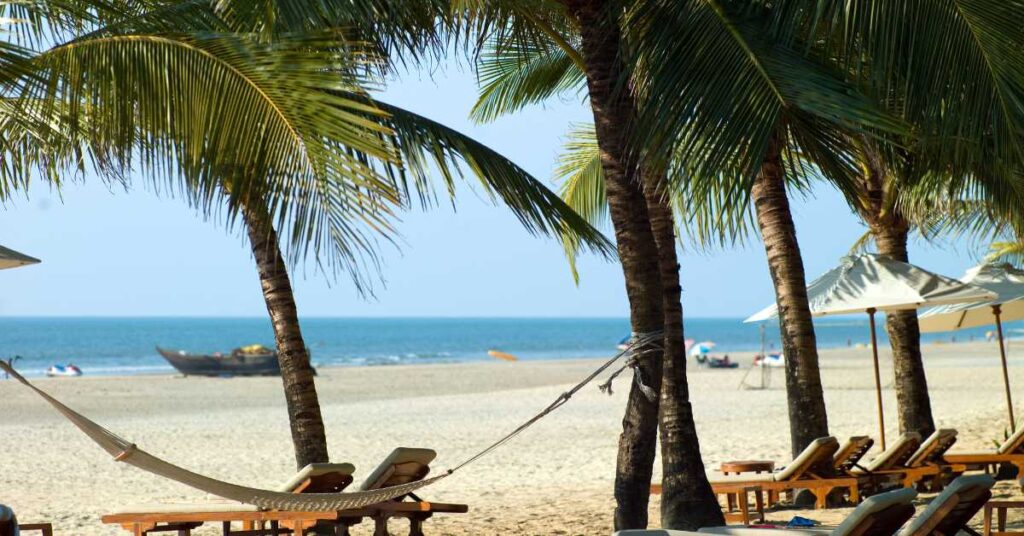
Start your final day in South Goa with a visit to the tranquil Palolem Beach. Known for its pristine sands and clear waters, Palolem Beach is perfect for a peaceful morning. Take a leisurely walk along the shoreline, enjoy a refreshing swim, or simply relax under a palm tree. For a more active start, you can also try some yoga on the beach, with many local instructors offering morning classes that will leave you feeling rejuvenated.
Afternoon
In the afternoon, head to the Agonda Beach, another serene spot ideal for relaxation. Spend some time sunbathing or take a boat trip to see dolphins. Afterward, visit one of the many beachside shacks for a light lunch, where you can savor fresh seafood and sip on a cool drink. Next, pamper yourself with a visit to a local spa. The Swaastha Home Spa offers a variety of treatments, including Ayurvedic massages and therapies that will help you unwind and recharge.
Evening
As evening falls, make your way to Benaulim Beach. This beach is less crowded and offers a perfect setting for watching the sunset. Take a romantic stroll along the water’s edge or enjoy a quiet moment to reflect on your trip. For dinner, visit Joecons Beach Shack, known for its delicious Goan cuisine and relaxed atmosphere. End your day with a visit to one of the local bars or lounges for a nightcap while enjoying the cool ocean breeze.
Best Places to Shop in South Goa
South Goa has some great shopping spots. Visit the Colva Market for local handicrafts, souvenirs, and fresh produce. The market is vibrant and offers a glimpse into the local culture. Another good place to shop is the Mackie’s Night Bazaar, where you can find a variety of goods, from clothing to jewelry. For unique items, check out the Palolem Beach Market, known for its eclectic mix of stalls selling everything from art to handmade crafts.
Best Places to Eat in South Goa
Dining in South Goa is a delight with numerous options. Martin’s Corner is a must-visit, famous for its seafood and authentic Goan dishes. For a beachfront dining experience, try Fisherman’s Wharf at Cavelossim Beach, offering a variety of local and international cuisine. Another excellent option is Zeebop by the Sea at Utorda Beach, known for its beautiful setting and delicious seafood.
Essential Information
Best Season(s) to Travel (pros and cons)
The best time to visit Goa is during the winter months from November to February. The weather during this period is cool and pleasant, making it ideal for beach activities, sightseeing, and outdoor adventures. The peak tourist season is December and January, which means the region is bustling with tourists, lively festivals, and events. However, this also means higher prices and crowded attractions.
Pros:
- Pleasant weather
- Numerous festivals and events
- Ideal for beach activities and sightseeing
Cons:
- Higher prices
- Crowded attractions
The monsoon season, from June to September, brings heavy rains to Goa. While the beaches may not be ideal for swimming, the landscape transforms into a lush, green paradise. This is a great time to explore the natural beauty of Goa and enjoy a quieter experience.
Pros:
- Lush green landscapes
- Fewer tourists
- Lower prices
Cons:
- Heavy rainfall
- Limited beach activities
Accommodation (types and recommended areas)
Goa offers a wide range of accommodation options to suit every budget and preference. From luxury resorts to budget-friendly guesthouses, there’s something for everyone.
Luxury Resorts: For those seeking a luxurious stay, resorts like The Leela Goa, Taj Exotica, and Alila Diwa Goa offer top-notch amenities, including private beaches, spas, and fine dining restaurants. These resorts are often located in tranquil areas, providing a perfect escape from the hustle and bustle.
Budget-Friendly Guesthouses: For budget-conscious travelers, guesthouses like The Village Inn, Lazy Frog Goa, and Palm Grove Cottages offer comfortable accommodations at affordable prices. These guesthouses are typically family-run, providing a warm and welcoming atmosphere.
Recommended Areas:
- North Goa: Calangute, Candolim, Baga, and Anjuna are popular areas known for their lively atmosphere, nightlife, and numerous accommodation options.
- South Goa: Palolem, Agonda, and Colva are ideal for those seeking a quieter and more relaxed environment.
Recommended Books & Documentaries
To enhance your understanding and appreciation of Goa’s history and culture, consider reading the following books and watching these documentaries:
Books:
- “Goa: A Daughter’s Story” by Maria Aurora Couto – This book provides a personal and historical account of Goa, blending the author’s memories with the region’s rich history.
- “Eunuch Park” by Palash Krishna Mehrotra – A collection of short stories set in Goa, offering a unique perspective on life in this diverse state.
- “The Suriani Kitchen” by Lathika George – This cookbook explores the culinary traditions of Goa, with recipes and stories that capture the essence of the region.
Documentaries:
- “Goa: 365 Days” – This documentary provides a comprehensive look at the culture, festivals, and daily life in Goa.
- “In Search of Hidden Goa” – A travel documentary that explores lesser-known attractions and hidden gems in Goa.
- “The Portuguese in India” – This historical documentary examines the impact of Portuguese colonization on Goa’s culture and architecture.
Local Historical Societies & Museums
Goa is home to several historical societies and museums that offer insights into the region’s rich heritage.
Historical Societies:
- Goa Heritage Action Group: This organization is dedicated to preserving and promoting Goa’s architectural and cultural heritage. They offer guided tours and educational programs.
- Institute Menezes Braganza: A cultural institution that organizes events, lectures, and exhibitions focused on Goan history and culture.
Museums:
- Goa State Museum: Located in Panaji, this museum features exhibits on Goa’s history, art, and culture, including artifacts from the Portuguese colonial period.
- Naval Aviation Museum: Situated in Vasco da Gama, this museum showcases the history of Indian naval aviation with aircraft displays and exhibits.
- Museum of Christian Art: Housed in the Convent of Santa Monica in Old Goa, this museum displays religious art from the Portuguese era.
Transportation Tips (public transport and ride-sharing options)
Getting around Goa is easy with various transportation options available.
Public Transport:
- Buses: Goa’s public bus system connects major towns and tourist spots. Buses are an affordable way to travel, though they can be crowded during peak hours.
- Trains: Trains connect Goa with other major cities in India. The Konkan Railway offers scenic routes along the coast.
Ride-Sharing Options:
- Ola and Uber: These ride-sharing apps are available in Goa and provide a convenient way to travel longer distances. They are especially useful for late-night travel or when public transport is less frequent.
Renting Vehicles:
- Scooters and Bikes: Renting a scooter or bike is a popular and flexible way to explore Goa. Rental shops are plentiful, and the process is usually straightforward.
- Cars: For those preferring more comfort, renting a car is an option. Self-drive and chauffeur-driven cars are available.
Travel Requirements (documents and vaccinations)
Before traveling to Goa, ensure you have the necessary documents and vaccinations.
Documents:
- Passport: Ensure your passport is valid for at least six months from the date of entry.
- Visa: Most travelers require a visa to enter India. E-visas are available and can be applied for online.
- Travel Insurance: It’s advisable to have travel insurance that covers medical expenses, trip cancellations, and theft.
Vaccinations:
- Recommended Vaccinations: Hepatitis A and B, typhoid, tetanus, and diphtheria. Consult your doctor for any additional vaccinations based on your health and travel plans.
Local Sayings (2-3 useful phrases with pronunciation guides)
Learning a few local phrases can enhance your experience and help you connect with locals.
- “Namaste” (nuh-MUH-stay): Hello
- “Shukriya” (SHOO-kree-yah): Thank you
- “Kitne ka hai?” (kit-NAY kah HAY): How much is this?
Connectivity Information (SIM cards or Wi-Fi availability)
Staying connected in Goa is easy with various options for SIM cards and Wi-Fi.
SIM Cards:
- Airtel and Vodafone: These providers offer prepaid SIM cards that are available at the airport and local shops. They offer good coverage and data plans.
Wi-Fi:
- Hotels and Cafes: Most hotels and cafes in Goa offer free Wi-Fi. However, the quality and speed may vary.
- Portable Wi-Fi Devices: Portable Wi-Fi devices are available for rent and provide a reliable internet connection wherever you go.
Sustainable Travel Tips
Traveling sustainably in Goa helps preserve the environment and supports local communities.
- Reduce Plastic Use: Carry a reusable water bottle and avoid single-use plastics.
- Support Local Businesses: Shop at local markets, eat at local restaurants, and stay in locally-owned accommodations.
- Respect Wildlife: Avoid activities that exploit animals and respect their natural habitats.
- Conserve Water and Energy: Be mindful of your water and energy usage, especially in areas facing shortages.
- Responsible Tourism: Follow local guidelines, respect cultural sites, and leave no trace behind.
Accessibility Considerations
Goa is gradually improving its accessibility for travelers with disabilities.
Accommodation:
- Many hotels and resorts now offer accessible rooms and facilities. Check with your accommodation beforehand to ensure they meet your needs.
Transportation:
- Public transportation may have limited accessibility. Hiring a private vehicle is a more convenient option.
- Some beaches, such as Miramar Beach, offer accessible walkways and facilities.
Attractions:
- Major attractions like the Basilica of Bom Jesus and the Goa State Museum are working towards better accessibility. Contact them in advance to inquire about specific needs.
Currency and Payment
Goa uses the Indian Rupee (INR) as its currency.
- ATMs: Widely available in towns and tourist areas. Major credit and debit cards are accepted.
- Currency Exchange: Services are available at the airport, banks, and authorized exchange centers.
- Payment Methods: Credit and debit cards are accepted in most hotels, restaurants, and shops. It’s advisable to carry some cash for smaller establishments and markets.
Packing List
Packing the right items ensures a comfortable and enjoyable trip to Goa.
- Clothing: Light, breathable clothing suitable for the tropical climate. Swimwear, a hat, and sunglasses are essential.
- Footwear: Comfortable sandals and walking shoes.
- Toiletries: Sunscreen, insect repellent, and personal hygiene products.
- Medications: Any necessary medications, along with a basic first aid kit.
- Miscellaneous: Reusable water bottle, travel adapter, and a light jacket or shawl for cooler evenings.
Itinerary Flexibility
Keeping your itinerary flexible allows you to enjoy a stress-free vacation.
- Spontaneous Activities: Goa offers many spontaneous activities and hidden gems that you might discover along the way.
- Relaxation Time: Allow time for relaxation and unexpected adventures to make the most of your trip.
- Backup Plans: Have backup plans in case of bad weather or other unforeseen events.
Hidden Gems
Discovering Goa’s hidden gems adds an element of surprise and excitement to your trip.
- Chorla Ghats: A lesser-known natural paradise with waterfalls, trekking trails, and wildlife.
- Divar Island: A peaceful island with charming villages, churches, and scenic views.
- Butterfly Conservatory of Goa: A tranquil spot where you can observe various species of butterflies in a natural habitat.
- Spice Plantations: Visit spice plantations like Sahakari Spice Farm to learn about the cultivation of spices and enjoy a traditional Goan meal.
- Salim Ali Bird Sanctuary: A haven for birdwatchers, located on the western tip of the island of Chorao.
Conclusion
Your 4-day journey through Goa’s history and culture is filled with unique experiences and hidden gems. Starting with the historic treasures of Old Goa, you explore the magnificent churches, serene gardens, and vibrant markets. Day two takes you through Panaji’s cultural heritage, with visits to iconic landmarks, bustling streets, and delightful dining spots. Margao’s colonial charm on day three offers a blend of architectural wonders, lively markets, and beautiful beaches. Finally, you relax in South Goa, enjoying the tranquility of stunning beaches and rejuvenating spa treatments.
This itinerary is designed to give you a taste of Goa’s rich history and vibrant culture. However, there’s so much more to discover. Take the time to explore beyond these highlights, immerse yourself in the local lifestyle, and create your own unforgettable experiences. Whether it’s through spontaneous adventures, engaging with locals, or simply soaking in the serene landscapes, Goa has something special for every traveler.
We hope you enjoyed this 4-day itinerary through Goa’s hidden gems. For more travel guides, tips, and inspiration, subscribe to our newsletter and follow us on social media. Don’t forget to share this guide with your friends and family who might also be planning a trip to Goa. Your journey awaits—explore, discover, and enjoy all that Goa has to offer!
Frequently Asked Questions (FAQ)
What is the best time to visit Goa?
The best time to visit Goa is from November to February. The weather is cool and pleasant, making it ideal for beach activities and sightseeing.
Is Goa safe for tourists?
Yes, Goa is generally safe for tourists. However, like any travel destination, it’s important to stay aware of your surroundings and take common safety precautions.
What languages are spoken in Goa?
The official language of Goa is Konkani. However, English and Hindi are widely spoken and understood, especially in tourist areas.
Do I need a visa to visit Goa?
Yes, most travelers require a visa to enter India. E-visas are available and can be applied for online.
What is the currency used in Goa?
The currency used in Goa is the Indian Rupee (INR).
How many days should I spend in Goa?
A stay of 4-7 days is ideal to explore the major attractions and experience the unique culture of Goa.
What should I pack for a trip to Goa?
Pack light, breathable clothing, swimwear, a hat, sunglasses, sunscreen, comfortable footwear, and any necessary medications.
Are there any cultural customs I should be aware of?
Respect local customs and traditions. Dress modestly when visiting religious sites, and always ask for permission before taking photos of people.
Can I rent a vehicle in Goa?
Yes, renting scooters, bikes, and cars is common in Goa. Ensure you have a valid international driving permit if required.
How can I stay connected in Goa?
You can purchase a local SIM card from providers like Airtel or Vodafone. Many hotels and cafes offer free Wi-Fi.
You May Also Like
Goa Budget Travel: Exploring Amazing Beaches, Backwaters & Culture in 5 Days
Goa Family Vacation: 3-Days Beaches & Activities
Unforgettable Velliangiri Hills Trekking: Your Guide to 7 Hills of the South Kailash
Leave a Reply